
Igor Krasnoperov
From 200 lbs toward an Ironman World Championship slot
I was the slowest kid in my class,
and every time we ran,
I was the one at the back.
I was ten years old, and physical education had just been added as a class that year. We did all kinds of things in it, and one of the tests was a 400 meter run. I was the chubby kid, and I was also the slow one. The stopwatch just made it official. Last, or second to last, every single time.
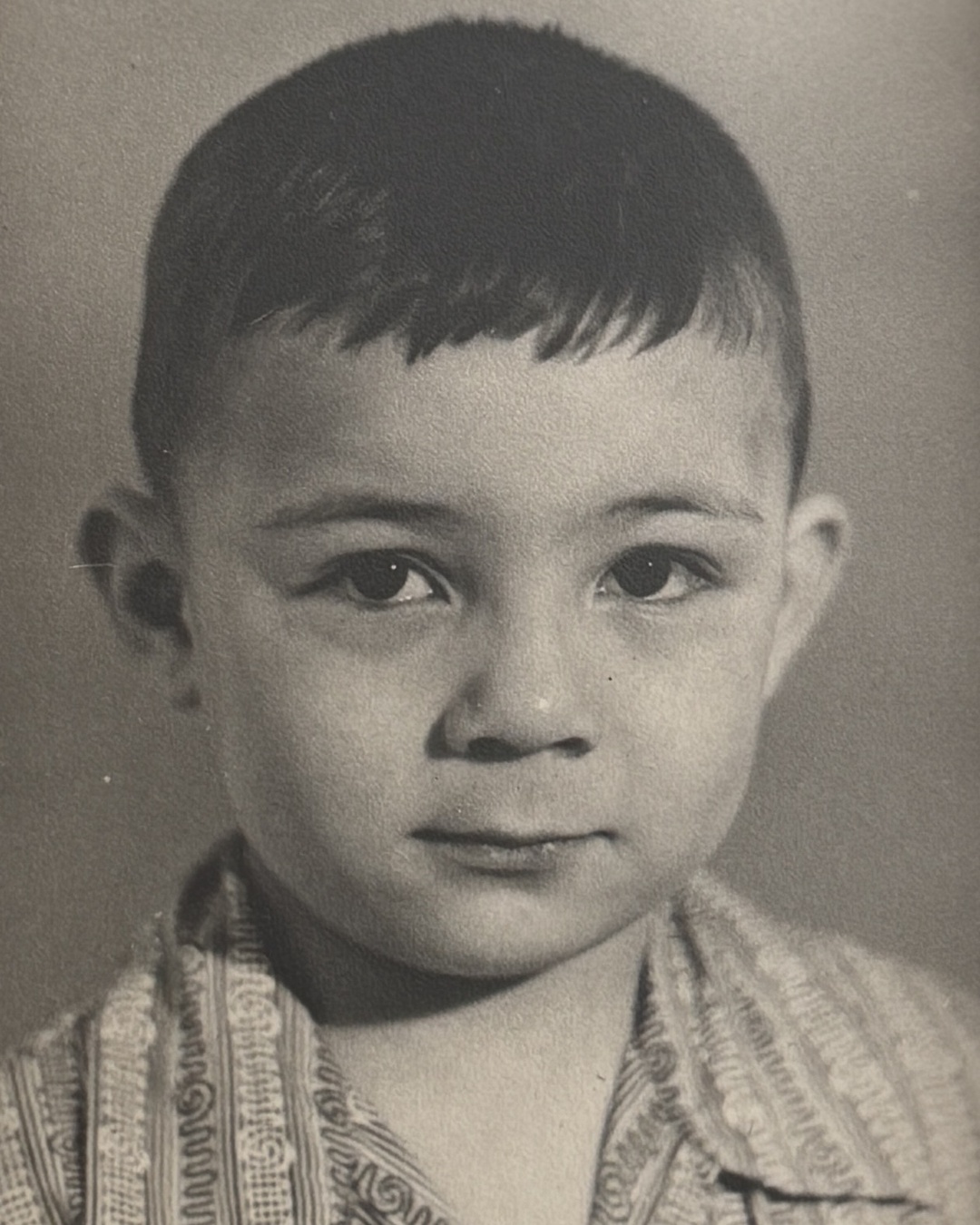
Before any of it started.
There was an older boy in my building named Vitaliy. He was
already in high school, and he was a real runner. One day I asked him what I was doing wrong.
He asked me my strategy. I told him I held back at the start, then tried to push at the end. He said: in a 400 meter run, there is no pacing. You go all out from the first step. And if you're not running every day, you'll never have the engine to do it.
Nobody had told me that. I wasn't lazy. I was running the wrong strategy.
So I ran. Every morning. The next time we were tested, I finished second, close enough to touch the boy in first. The teacher couldn't believe it.
That was the first time I learned the lesson I now build my
work around: the problem usually isn't effort. It's the system
underneath it.
The quiet years
From that point on, being fit was simply who I was. Through school. Through the military. Through college. I was one of the fittest guys in every room I walked into, and I never had to think about it.
Then, at 23, adult life took over. Work, responsibility, everything that comes with it.
It doesn't happen dramatically. There's no single day you quit. The career takes priority, then life settles in around it, and the version of you who trained every morning just quietly stops showing up. That went on for twenty years.
At 43, I weighed 200 pounds and I was running on empty.
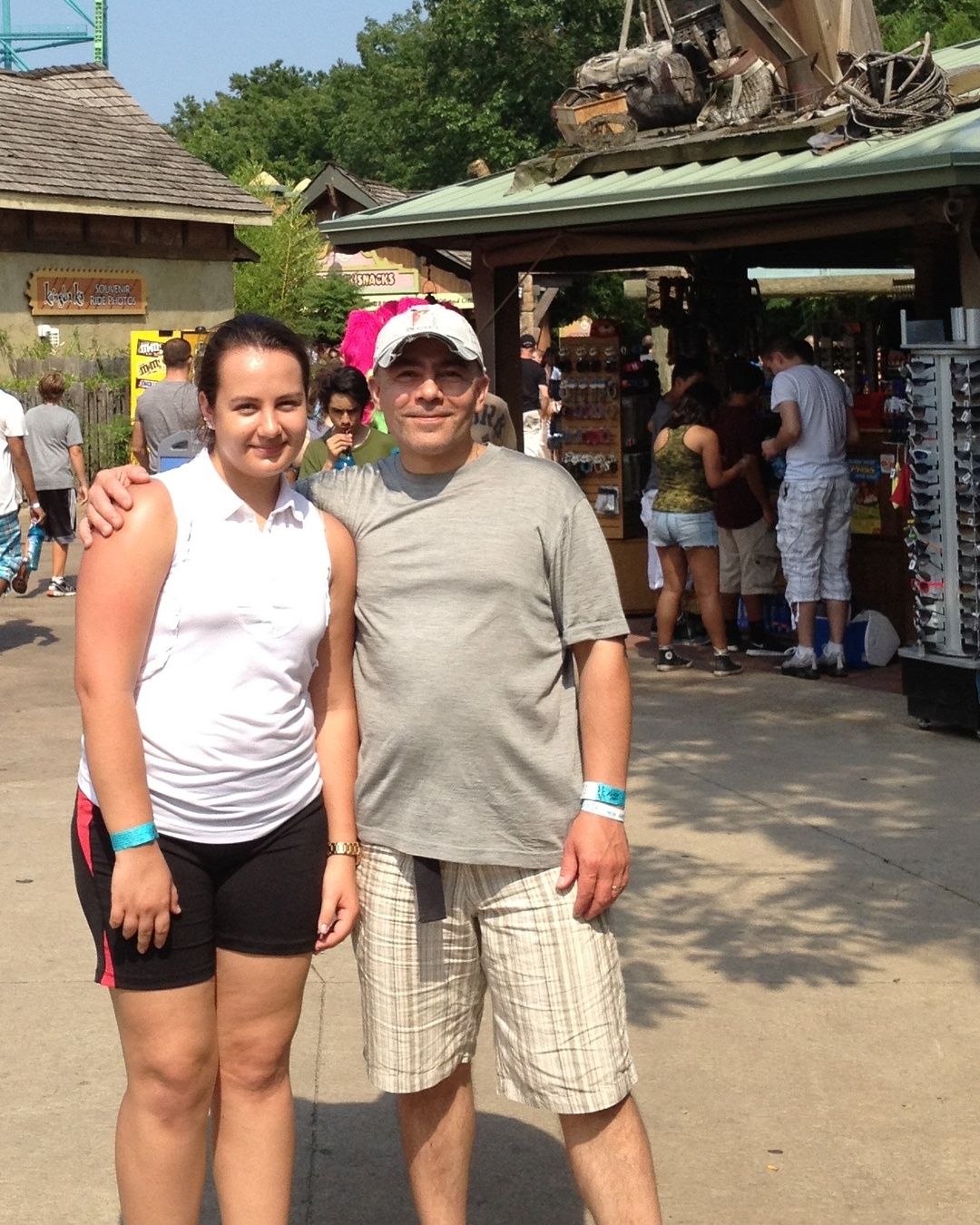
43. Successful on paper. Empty in the tank.
The turn
In January 2013, at 43, my wife pointed out my belly. I looked in the mirror and thought, "What happened to you?" I'd been one of the fittest guys in every class. Now I had a tire around my middle.
So I joined a gym. For the first few months I showed up, but it was boring. I hired a coach there and told him that if it's the same thing over and over, it gets stale fast. He kept changing my routines and pushing me harder.
Then I saw a Facebook post from a friend who had raced an Ironman. She missed the 17-hour cutoff, the midnight finish after a 7 a.m. start, and she kept going anyway, just to finish it for herself. That hit me hard. I didn't even know what a triathlon was. By April I'd done my research, and that August I raced my first sprint triathlon. In 2014 I hired Mike Ricci, and he's been my triathlon coach ever since.
I'm 57 now. I finished Ironman Lake Placid 2026 in 12:12:47, 19th in my age group. My training now is focused on qualification for the Ironman World Championship, and my next goal is to bring my time down to about 11 hours, which should put me on the podium.
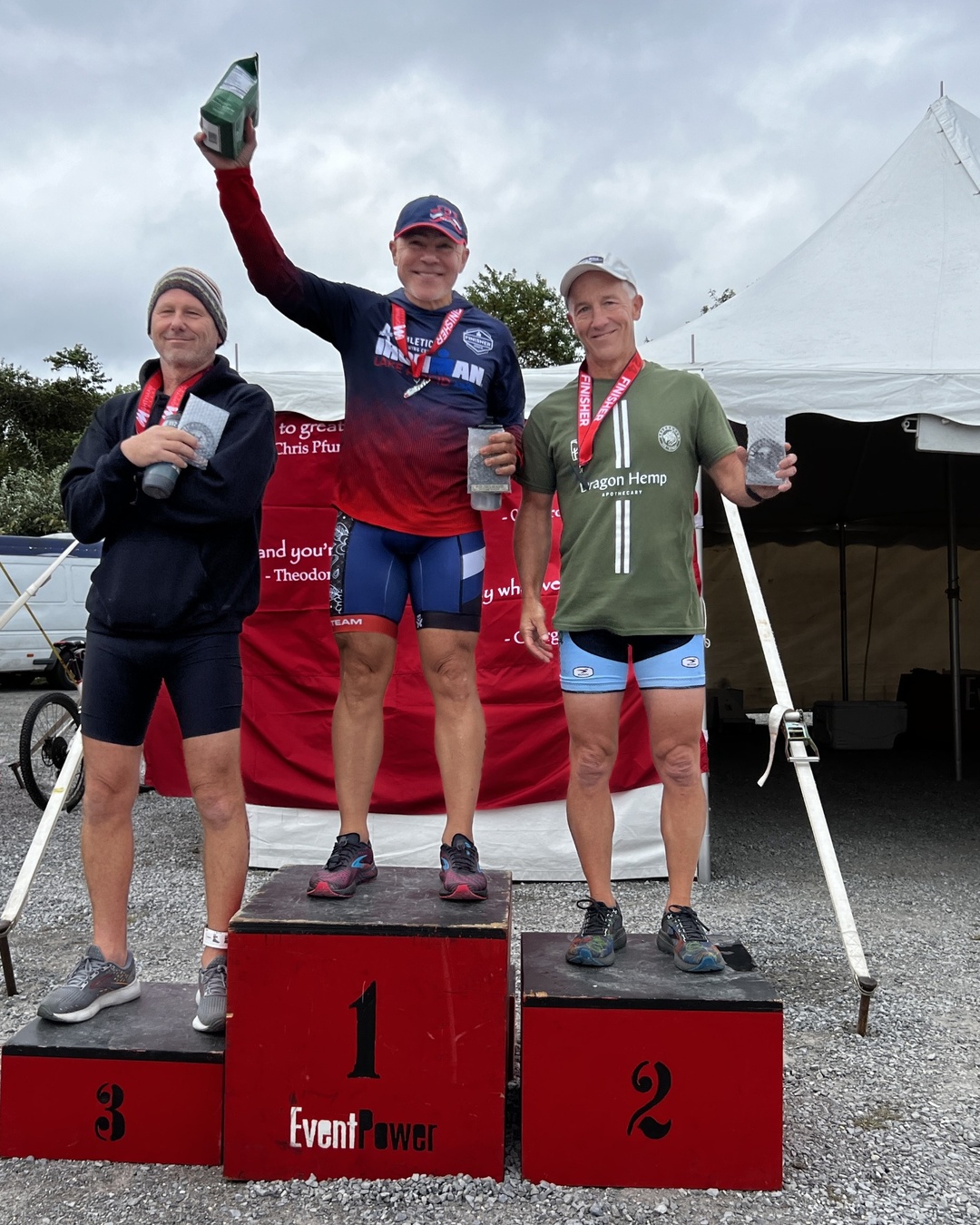
57. Still going.
The part most people leave out
Last year, doing everything I thought was right, I crashed. My energy fell off a cliff, and it took over a month to come back. I was sleeping eleven hours a night. I was eating well. It made no difference. Nothing I knew how to do was working.
That's when I stopped guessing and started testing. I looked at my genetics and found out what my body actually needed, which turned out to be different from what the internet, the supplement aisle and my own assumptions had told me for years.
That's the work I do now. Energy and performance optimization for men 45+, helping them find out why their energy is disappearing and what to do about it.
Be Limitless Human
Powered by Wealth With No Limits, Inc.
Igor Krasnoperov
From 200 lbs toward an Ironman World Championship slot
I was the slowest kid in my class,
and every time we ran,
I was the one at the back.
I was ten years old, and physical education had just been added as a class that year. We did all kinds of things in it, and one of the tests was a 400 meter run. I was the chubby kid, and I was also the slow one. The stopwatch just made it official. Last, or second to last, every single time.
Before any of it started.
There was an older boy in my building named Vitaliy. He was already in high school, and he was a real runner. One day I asked him what I was doing wrong.
He asked me my strategy. I told him I held back at the start, then tried to push at the end. He said: in a 400 meter run, there is no pacing. You go all out from the first step. And if you're not running every day, you'll never have the engine to do it.
Nobody had told me that. I wasn't lazy. I was running the wrong strategy.
So I ran. Every morning. The next time we were tested, I finished second, close enough to touch the boy in first. The teacher couldn't believe it.
That was the first time I learned the lesson I now build my work around: the problem usually isn't effort. It's the system underneath it.
The quiet years
From that point on, being fit was simply who I was. Through school. Through the military. Through college. I was one of the fittest guys in every room I walked into, and I never had to think about it.
Then, at 23, adult life took over. Work, responsibility, everything that comes with it.
It doesn't happen dramatically. There's no single day you quit. The career takes priority, then life settles in around it, and the version of you who trained every morning just quietly stops showing up. That went on for twenty years.
At 43, I weighed 200 pounds and I was running on empty.
43. Successful on paper. Empty in the tank.
The turn
In January 2013, at 43, my wife pointed out my belly. I looked in the mirror and thought, "What happened to you?" I'd been one of the fittest guys in every class. Now I had a tire around my middle.
So I joined a gym. For the first few months I showed up, but it was boring. I hired a coach there and told him that if it's the same thing over and over, it gets stale fast. He kept changing my routines and pushing me harder.
Then I saw a Facebook post from a friend who had raced an Ironman. She missed the 17-hour cutoff, the midnight finish after a 7 a.m. start, and she kept going anyway, just to finish it for herself. That hit me hard. I didn't even know what a triathlon was. By April I'd done my research, and that August I raced my first sprint triathlon. In 2014 I hired Mike Ricci, and he's been my triathlon coach ever since.
I'm 57 now. I finished Ironman Lake Placid 2026 in 12:12:47, 19th in my age group. My training now is focused on qualification for the Ironman World Championship, and my next goal is to bring my time down to about 11 hours, which should put me on the podium.
57. Still going.
The part most people leave out
Last year, doing everything I thought was right, I crashed. My energy fell off a cliff, and it took over a month to come back. I was sleeping eleven hours a night. I was eating well. It made no difference. Nothing I knew how to do was working.
That's when I stopped guessing and started testing. I looked at my genetics and found out what my body actually needed, which turned out to be different from what the internet, the supplement aisle and my own assumptions had told me for years.
That's the work I do now. Energy and performance optimization for men 45+, helping them find out why their energy is disappearing and what to do about it.
Be Limitless Human
Powered by Wealth With No Limits, Inc.